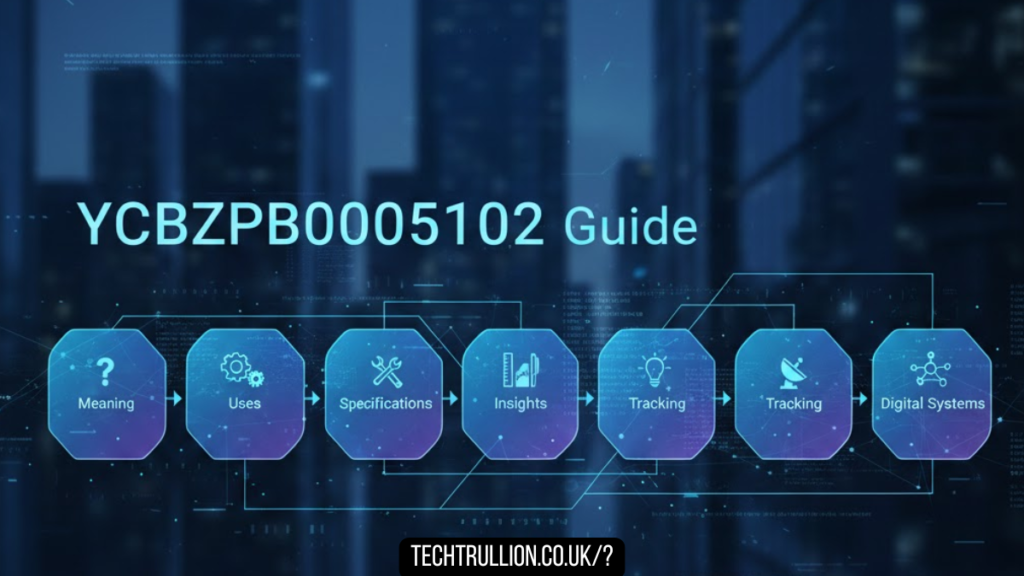

If you’ve ever stumbled across the string YCBZPB00005102, you might have wondered what it really means. At first glance, it looks like a random mix of letters and numbers, but in reality, it serves as a unique digital identifier used in a variety of technical systems. Over the past few years, identifiers like this have quietly become essential in tracking, data management, and digital processes. Understanding it can make a surprising difference, whether you’re working in tech, inventory management, or just curious about how these systems function behind the scenes.
In this article, we’ll break down YCBZPB00005102 in a simple, real-world way, explore its uses, look at specifications, and give you insight into why it matters.
What Is YCBZPB00005102?
At its core, YCBZPB00005102 is a unique alphanumeric code. Think of it like a social security number, but for a system, a device, or a piece of data. These identifiers exist to make sure that every piece of digital information or hardware can be tracked reliably. Unlike common serial numbers, these codes are often complex, and their structure can convey more than just uniqueness—they can carry metadata about the creation date, batch, or system version.
In my experience working with inventory systems, a single misplaced or duplicated identifier can create hours of troubleshooting. That’s why codes like YCBZPB00005102 are treated with such care.
The Role of YCBZPB00005102 in Digital Systems
In digital systems, traceability is crucial. Whether it’s a software database, an industrial machine, or a commercial tracking system, unique identifiers are the backbone. Here’s why:
- Data Management: Imagine managing thousands of entries in a database. Without unique codes, tracking and updating individual records becomes chaotic.
- Verification and Security: Many systems use identifiers like YCBZPB00005102 to verify authenticity, ensuring that a device or data point hasn’t been tampered with.
- Automation: Automated systems often rely on these identifiers to trigger specific actions. For instance, a logistics system might automatically flag an item with a particular code for inspection.
I once watched a warehouse team struggle to track items during a system upgrade. The identifiers were the only thing keeping everything from falling apart.
How YCBZPB00005102 Is Structured
You might be curious whether there’s a pattern to YCBZPB00005102. While the exact coding logic is often proprietary, alphanumeric identifiers generally follow a structured design:
- Prefix: The first few letters often indicate the system, department, or product category.
- Numeric Sequence: The numbers usually provide uniqueness, sometimes reflecting batch numbers or versioning.
- Check Digits: Some systems include digits for error checking, reducing the risk of mistakes in manual entry.
When you see a code like this in a system, it’s rarely random. Each segment has meaning, even if it’s only fully understood by the developers or administrators who created it.
Practical Uses of YCBZPB00005102
While it may seem abstract, YCBZPB00005102 has very tangible applications. Here are some real-world scenarios:
1. Inventory and Asset Tracking
Companies often use unique codes to track products, components, or machinery. In one case, I helped a small electronics firm map thousands of items. Codes like YCBZPB00005102 allowed them to pinpoint each unit, track repairs, and manage warranties efficiently.
2. Data Management
Databases rely on unique identifiers to prevent duplication and errors. If two entries accidentally share the same identifier, it can lead to incorrect reports or misplaced data. Using structured codes ensures reliability.
3. Quality Control
Industrial and manufacturing sectors often integrate these codes into quality control systems. When a defect is found, the code helps trace the affected batch quickly, saving time and money.
4. Software and System Logs
Developers sometimes assign unique identifiers to logs or processes for debugging. By referencing YCBZPB00005102, they can locate exact system events, diagnose issues, and ensure smooth operation.
Insights and Advantages
So, why should anyone care about YCBZPB00005102 beyond just knowing it exists? Here’s what makes these identifiers valuable:
- Accuracy: Every unit, piece of data, or event can be uniquely referenced.
- Traceability: Problems or changes can be tracked back to their source.
- Integration: They allow diverse systems to communicate using a consistent reference.
- Efficiency: Automation and reporting become faster and more reliable.
From personal experience, I’ve found that once teams start using unique identifiers properly, many previously chaotic processes suddenly become manageable. It’s like turning on a light in a cluttered room—you can suddenly see where everything is.
How to Work With Codes Like YCBZPB00005102
If you ever need to interact with a system using such identifiers, here are practical tips:
- Don’t Modify Manually: Changing a code can break system references. Always use the official tools.
- Keep Records: Log entries with timestamps and related details to maintain traceability.
- Use Search Functions: Most databases have search capabilities for exact codes. Searching by code is faster than guessing by description.
- Validate Entries: Systems often provide a validation method to ensure a code is correct before processing it.
A small mistake here can lead to hours of troubleshooting, so I always tell teams: treat identifiers like fragile documents—they’re more critical than they appear.
Common Questions About YCBZPB00005102
Is YCBZPB00005102 Publicly Traceable?
Usually, no. These codes are internal to systems. Unless a company or platform exposes them, they’re not searchable like a public serial number.
Can Two Items Share the Same Code?
Ideally, never. Duplicate codes defeat the purpose of traceability and can cause errors in reporting and operations.
Does the Code Contain Hidden Information?
Often, yes. Segments of the code might reveal batch, department, or creation date—but the exact meaning depends on the system design.
How Do I Verify a Code?
Most systems offer validation tools. Inputting the code in the database or scanning it with software confirms authenticity and integrity.
Can These Codes Be Reused?
Generally, no. Once assigned, a code remains linked to its original item or entry to maintain historical accuracy.
Real-Life Example
A colleague of mine once worked with a logistics company that managed thousands of shipments. Each package had a code similar to YCBZPB00005102. One day, a mislabeled batch caused a small panic. Thanks to the unique identifiers, they quickly isolated the affected shipments, corrected the errors, and even improved their labeling system. Without such codes, this could have become a costly mess.
Conclusion
YCBZPB00005102 might look like a random string at first, but it plays a surprisingly important role in digital systems. From tracking inventory to managing complex databases, these identifiers ensure accuracy, efficiency, and traceability. Understanding how to use and interpret them is not just for tech experts—it can help anyone working with structured data or systems.
In the end, codes like this are quiet heroes behind the scenes, keeping the digital world running smoothly, one unique identifier at a time.
FAQs
1. What does YCBZPB00005102 stand for?
It’s a unique alphanumeric identifier used for tracking and managing digital data or items. The exact structure depends on the system.
2. Can YCBZPB00005102 be hacked or duplicated?
While technically possible, systems are designed to minimize duplicates or tampering. Manual errors are more common than malicious hacks.
3. Where is YCBZPB00005102 used most often?
It’s commonly used in inventory management, industrial systems, software logs, and data tracking applications.
4. How can I read the segments of YCBZPB00005102?
Some systems embed information like batch or date in parts of the code, but interpretation usually requires system-specific knowledge.
5. Is YCBZPB00005102 relevant to everyday users?
Mostly indirectly. Consumers encounter such codes on products, receipts, or software logs, even if they don’t fully realize it.