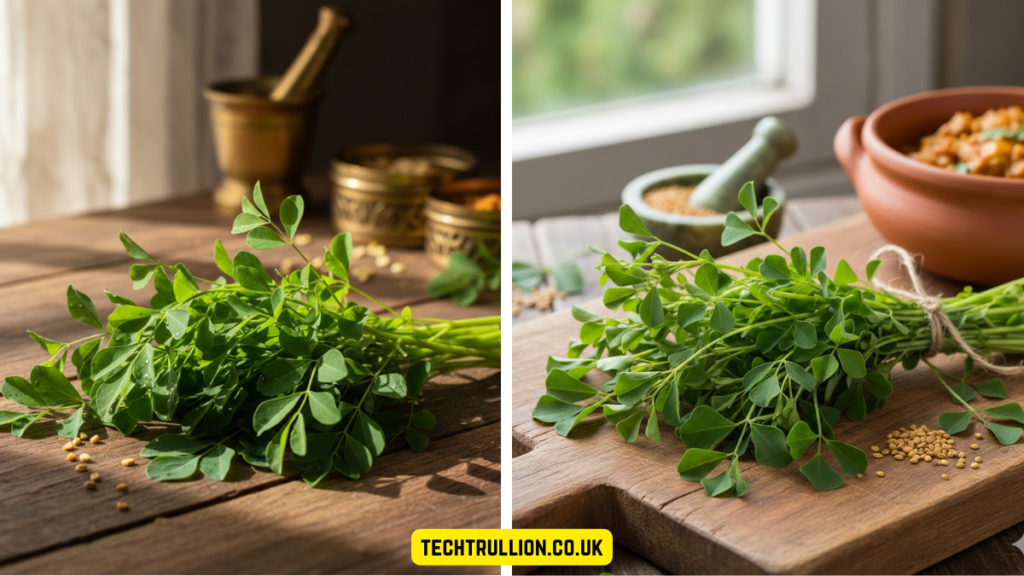

If you’ve ever wandered through a spice aisle or explored natural remedies, you might have come across Foenegriek, also known as fenugreek. It’s one of those ancient herbs that has been quietly helping people for centuries, yet not everyone knows its full potential. From boosting digestion to supporting overall wellness, this little seed packs quite a punch. In this article, I want to take you through everything I’ve learned and experienced about Foenegriek, sharing both practical uses and some real-life observations.
What is Foenegriek?
Foenegriek is an annual plant that belongs to the Fabaceae family. Its leaves and seeds have been used both in cooking and traditional medicine, especially in regions like India, the Middle East, and North Africa. The seeds are small, golden-brown, and have a slightly bitter taste with a hint of nuttiness.
Personally, I first encountered it when making Indian curries. The aroma of roasted Foenegriek seeds is subtle but unmistakably warm, almost like a cross between celery and maple. But beyond its culinary charm, it turns out this humble herb has a long list of health benefits that are worth exploring.
Nutritional Profile of Foenegriek
You might be surprised at how nutritious these tiny seeds are. A typical serving contains:
- Protein: Supports muscle repair and growth.
- Fiber: Excellent for digestive health and maintaining gut balance.
- Vitamins: Includes A, B-complex, and C.
- Minerals: Calcium, iron, magnesium, and phosphorus, essential for bones and overall metabolism.
- Healthy fats: A small amount of polyunsaturated fats for heart health.
I often sprinkle a teaspoon of Foenegriek powder into my morning smoothie. Not only does it thicken the drink slightly, but I also feel like I’m starting the day with a little extra nutrition boost.
Health Benefits of Foenegriek
1. Supports Digestive Health
One of the reasons I started using Foenegriek regularly was for digestion. The seeds are naturally high in soluble fiber, which helps regulate bowel movements and reduces bloating. Friends of mine who have mild digestive discomforts swear by soaking the seeds in water overnight and drinking the liquid in the morning. I tried it, and it genuinely eases that heavy feeling after a large meal.
2. Natural Lactation Aid
If you’re a new parent or know someone who is, you may find Foenegriek helpful. It has been traditionally used to support milk production in breastfeeding mothers. Personally, I’ve watched a cousin incorporate it into her diet, and while results can vary, she reported noticeable improvement in her supply after a couple of weeks of consistent use.
3. Blood Sugar Regulation
For people dealing with mild blood sugar fluctuations, Foenegriek can be interesting. Studies suggest that it may help slow carbohydrate absorption and improve insulin sensitivity. I experimented by adding it to my breakfast oats, and while I’m not diabetic, I noticed steadier energy levels mid-morning compared to skipping it.
4. Anti-inflammatory and Heart Health
Foenegriek contains compounds that can have mild anti-inflammatory effects. It might help with joint discomfort or general inflammation. I’ve added it to soups during winter months, not just for taste, but because it feels comforting in the same way warm spices do while subtly supporting heart health.
5. Skin and Hair Support
A little personal anecdote here: I tried a DIY hair mask using soaked Foenegriek seeds blended into a paste. The texture was messy, sure, but after a few applications, my hair felt thicker and more manageable. Its mucilage content seems to help with hydration, both for hair and skin.
How to Use Foenegriek
Cooking
Foenegriek seeds can be used whole or ground into powder. In Indian cuisine, they are commonly roasted and added to curries, stews, or pickles. I also like adding a pinch to homemade bread or crackers—it adds an unexpected nutty flavor that pairs beautifully with cheese.
Tea or Infusion
Steeping a teaspoon of seeds in hot water creates a mild, slightly bitter tea. Drinking it in the morning or after meals is a simple way to reap digestive benefits without altering your diet too much. I personally prefer adding a touch of honey to balance the bitterness.
Supplements
Some people prefer capsules or powders, especially if they want a concentrated dose. I’ve used powdered Foenegriek mixed into yogurt for convenience. Always start with a small amount to see how your body reacts, as it can have a strong flavor and effect.
Safety and Considerations
While Foenegriek is generally safe, there are a few points to keep in mind:
- Pregnant women should consult their doctor before using it in larger doses.
- It may interact with certain medications, particularly those for blood sugar and blood thinning.
- Some people experience mild digestive discomfort initially; soaking the seeds can reduce this.
I always recommend introducing it gradually, like most herbs, rather than diving in with large amounts at once.
Real-Life Tips for Incorporating Foenegriek
- Morning Ritual: Soak a teaspoon overnight, drink the water, and add seeds to breakfast.
- Cooking Companion: Roast lightly and grind for curries or spice mixes.
- DIY Remedies: Make a hair mask or face pack for natural hydration.
- Smoothie Boost: Add a small pinch to a morning smoothie for extra fiber.
Personally, I rotate between using it in cooking and as a morning soak, which keeps the routine varied and enjoyable.
Where to Buy Foenegriek
Foenegriek is widely available in supermarkets, health food stores, and online. I prefer whole seeds over pre-ground powder because they retain flavor longer and can be ground fresh as needed. Look for organic options when possible, as they tend to have fewer impurities.
FAQs About Foenegriek
1. Can Foenegriek help with weight management?
It may aid digestion and help control appetite due to its fiber content, but it’s not a miracle weight-loss solution. Combining it with a balanced diet works best.
2. How should I store Foenegriek?
Store in an airtight container in a cool, dry place. Whole seeds last longer than powder and retain their aroma better.
3. Is Foenegriek suitable for children?
In small amounts, it’s generally safe, especially as a spice in meals. Avoid concentrated supplements unless advised by a pediatrician.
4. Can I use Foenegriek every day?
Yes, in moderate amounts. Start slowly to ensure your body tolerates it well.
5. Does Foenegriek have a strong taste?
The seeds have a slightly bitter, nutty flavor. Roasting or blending with other spices usually balances it nicely.
Conclusion
Foenegriek may seem like a small, humble seed, but it carries centuries of culinary and medicinal history. From digestion to hair care, blood sugar support, and simple culinary uses, it’s one of those ingredients that quietly makes life a little healthier. Whether you sprinkle it into meals, sip it as tea, or experiment with natural remedies, there’s a lot to explore. Incorporating it slowly into your routine is key, and with time, you might find it becomes an essential part of your kitchen and wellness habits.